
Take Our Survey

Making recycling
make sense

Variation in recycling programs, unclear labeling, and inaccurate recyclability claims make proper recycling a challenge. The How2Recycle Label was created to provide consistent and transparent on-package recycling information to consumers.

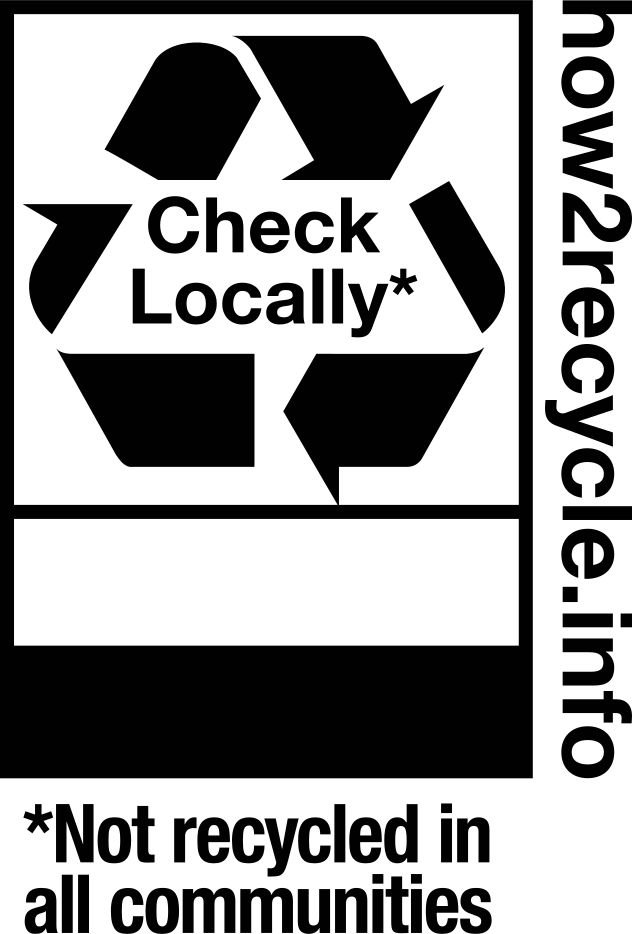
Check Locally

All recycling programs are unique. Get to know the recycling programs you use most often and stay alert for updates.Ways to check locally include:

  • Check printed materials from your local government or recycling provider
  • Browse the website of your local government or recycling provider
  • Call your local government or recycling provider
  • Check with local retailers (such as Target) for recycling drop-off locations

Check Locally: Recycling Locations

Keep America Beautiful – Recycling locations by zip-code and package type
Plastic Bag Recycling – Store Drop-off Locations for plastic bags and films

The Carton Council – State by state guide to aseptic carton and drink box recyclability

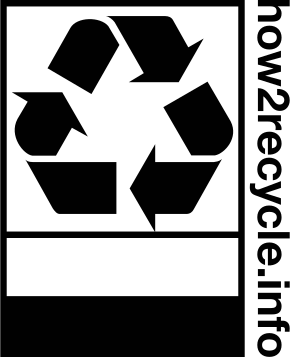
The Label

The How2Recycle Label is comprised of five pieces of information for each unique packaging component:

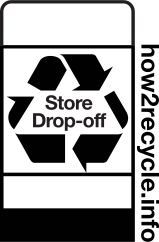
Store Drop-Off

We created a special version of the label for plastic bags and films that are accepted primarily at retail stores with plastic bags. For more information, see plasticbagrecycling.org.

Why?

  • Current plastic codes are confusing

    Many people recognize the chasing arrows symbol and number on plastic containers and assume the symbol means the product is recyclable. That is not the case. The codes are only intended to indicate the type of plastic the product is made from. You still need to check with your local recycling program to see which types of plastic packaging are collected.

  • All recycling programs are unique. Get to know the recycling programs you use most often

    Every recycling program has unique rules about what it collects and how it is collected. This is based on the kinds of recycling facilities in the area and other local factors. While the How2Recycle Label provides guidance on recyclability, it is important to familiarize yourself with the specific instruction where you most frequently recycle.

  • Proper sorting is important

    Unwanted items in the recycling steam are contamination. Contamination has to be removed by hand and usually ends up in a landfill. This increases the cost of operating recycling programs and can cause loads of recyclables to be rejected altogether. If you’re not sure if a material is accepted for recycling, be sure to check locally.

  • Small pieces are hard to recycle

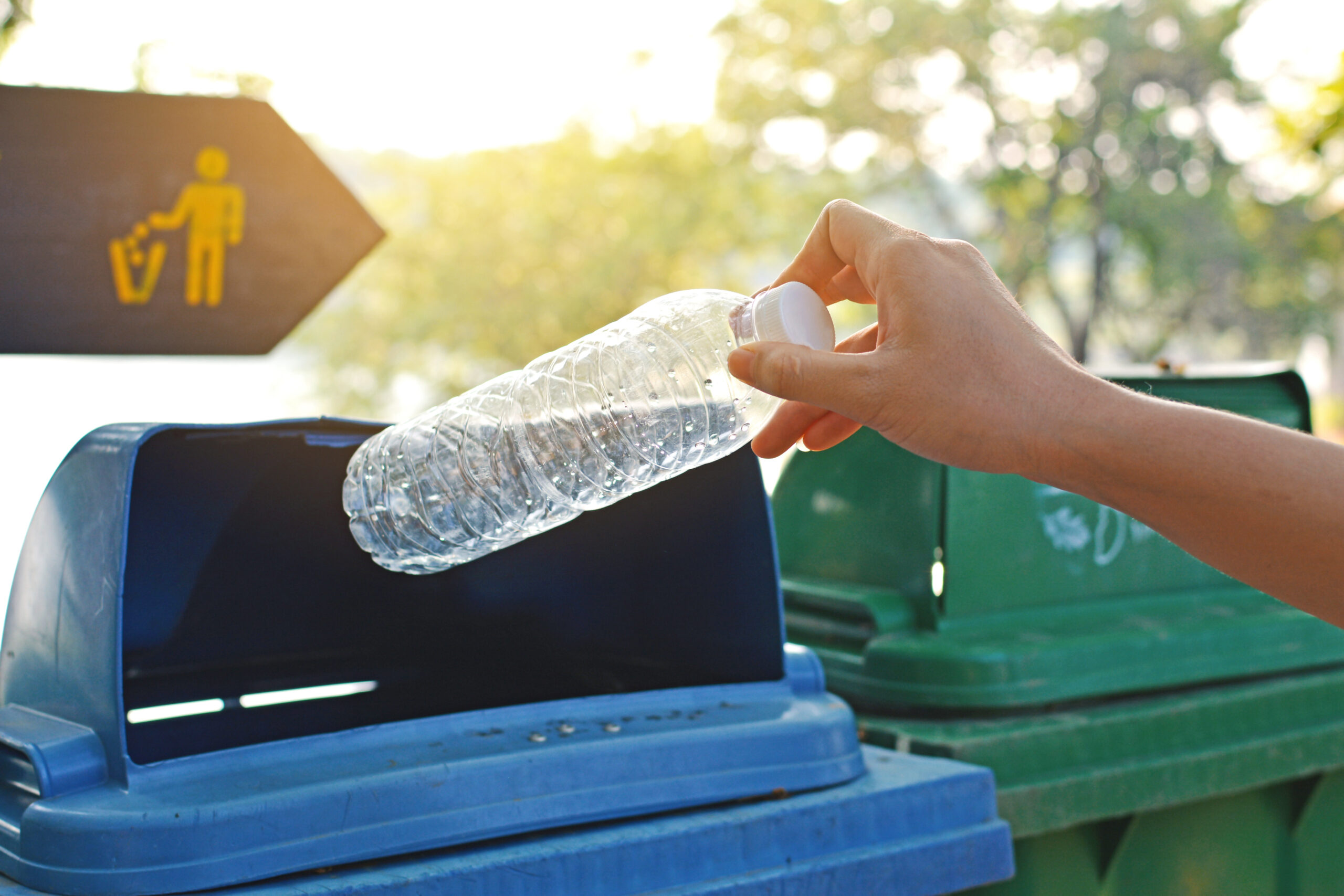
    Small loose items such as shredded paper, loose bottle caps, and lids are hard to sort and may get mishandled. As a general rule, caps and lids should be put back onto empty containers for recycling, but follow the directions on the How2Recycle Label and check with your local recycling program on how small items should be handled in your area.

About

A project of GreenBlue

The goals of the How2Recycle were developed through open discussion with numerous stakeholders, and relate to the ultimate vision of a closed loop system where valuable packaging materials are recovered. Our goals are to:

  1. Reduce confusion by creating a clear, well-understood, and nationally harmonized label that enables industry to convey to consumers how to recycle a package after its use.
  2. Improve the reliability, completeness, and transparency of recyclability claims through a nationally relevant data set on access to recycling for all packaging materials and forms.
  3. Provide incentive for industry to participate in a pre-competitive labeling initiative that follows Federal Trade Commission Green Guides.

Get Involved →

The soft launch of the How2Recycle Label will run through the first quarter of 2013. During the soft launch, we will be focusing on consumer use, feedback, and understanding of the label. Please provide your feedback and take our short survey, and thank you for helping to improve recycling communications!

Contact Us →

Questions or comments? Don’t hesitate to contact us.

Participating Brands